
News

Lisle 14900 Terminal Tool: When GM Wiring Needs Pin Release

Electrical connector work often goes wrong before the actual repair starts. A tab gets bent, a terminal is pulled by the wire, or the wrong pick damages a connector cavity that was still reusable. A dedicated terminal-release tool is a small purchase, but it can be the difference between a clean repin and a damaged harness.

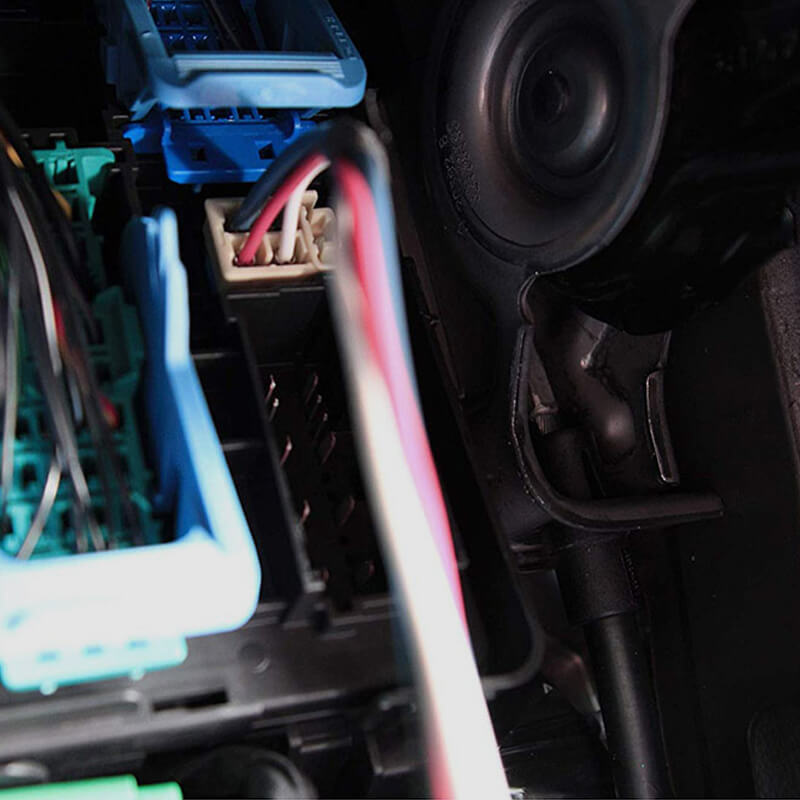
Lisle 14900 Terminal Tool for GM is a focused tool for buyers working around older GM connector service. Lisle's official product page identifies it as a tool for Pack-Con and Weather-Pack terminals on GM C3 systems, and also says it can retrieve trouble codes from GM vehicles with ALDL, or Assembly Line Diagnostic Link.

What Lisle 14900 is

Lisle lists this product as 14900 Terminal Tool for GM. The official Lisle page shows SKU 14900 and UPC 083045149002. Parts Universe lists it as Lisle 14900 Wire Terminal Tool and Trouble Code Tool with SKU LSL-14900.

  • Parts Universe product: Lisle 14900 Wire Terminal Tool and Trouble Code Tool
  • Parts Universe SKU: LSL-14900
  • Manufacturer part number: 14900
  • UPC: 083045149002
  • Current Parts Universe price: $15.99
  • Current Parts Universe status: active and available for sale

When this tool makes sense

Buy Lisle 14900 when the job is connector service, not wire cutting. Lisle says its wire terminal tools are designed to remove wires from terminals without damaging either, and specifically calls out Pack-Con and Weather-Pack terminals on GM C3 systems for part 14900.

  • You need to release terminals from a compatible GM connector without pulling on the wire.
  • You are replacing a shell, moving a circuit, or repairing a damaged terminal while trying to preserve the harness.
  • You are working on a project where identifying the connector family matters before buying a larger terminal-tool kit.
  • You want the ALDL trouble-code key function Lisle documents for some GM applications with Assembly Line Diagnostic Link.

Fitment: identify the connector first

This is not a universal promise for every connector on every vehicle. The documented scope is Pack-Con and Weather-Pack terminals on GM C3 systems, plus the ALDL trouble-code function referenced by Lisle. Before ordering, compare the connector style, service information, and terminal-retention design on the vehicle in front of you.

If the connector is a different terminal family, a smaller sealed connector, a modern sensor connector, or an aftermarket plug, a different release tool may be the better match. Forcing the wrong tool into a cavity can spread a terminal, break a lock tang, or create an intermittent electrical fault that is harder to diagnose later.

Why terminal tools beat picks and paper clips

A pick may work once, but it is easy to pry at the wrong angle. Terminal-release tools are shaped around the job: depress the locking tang, support the terminal path, and let the wire slide out once the retainer is released. That is especially valuable when the connector is old, heat-cycled, or no longer easy to replace.

For buyers, the question is not whether a small screwdriver can sometimes release a terminal. The better question is whether the connector, wire, and time are worth protecting. On an older GM harness, the answer is often yes.

Use it as part of a careful workflow

  1. Document the connector before disassembly with photos or a pinout note.
  2. Disconnect power as required by the service procedure before terminal work.
  3. Remove any secondary lock or connector position assurance piece before trying to release terminals.
  4. Use the terminal tool to release the retaining tang, then pull gently from the wire side only when the terminal is free.
  5. Inspect the terminal for spread, corrosion, looseness, or broken locking features before reinstalling it.

Safety and diagnostic notes

  • Do not probe or repin airbag, restraint, high-voltage, or unknown safety circuits without the correct service information.
  • Avoid shorting terminals when using any diagnostic key or jumper-style function.
  • If a warning light, no-start, or drivability issue is active, record codes and baseline symptoms before disturbing connectors.
  • Use eye protection when working around brittle plastic connector locks or corroded terminals.
  • Replace terminals, seals, or connector bodies that are damaged instead of forcing them back together.

Related Parts Universe links

Lisle 14900 is a smart buy when the job calls for controlled terminal release on the GM connector families Lisle documents. Match the tool to the connector, protect the wiring, and stop before forcing anything that does not release cleanly.

0 Comments
Berryman 0316 Motor Tune-Up: When a Multi-Use Additive Fits the Job

Some additives are narrow by design: a fuel-injector cleaner goes in the tank, an oil-system additive goes in the crankcase, and a fuel stabilizer is mainly for storage. Berryman 0316 Total Engine Tune-Up for Gas and Diesel is different because Berryman positions it as a broader maintenance product for fuel-tank use, crankcase deposit cleanup, and fuel stabilization.

That versatility is useful, but it also means the buyer needs to match the product to the job. Before adding any multi-use chemical, confirm the vehicle or equipment is mechanically sound, follow the current product label, and avoid using an additive to mask oil-pressure, fuel-delivery, overheating, or emissions faults.

What Berryman 0316 is

Berryman identifies this product as Total Engine Tune-Up for Gas and Diesel. The official product page lists part #0316 as a 16 fl oz / 473 mL easy pour-in can and says it can be used in 2-stroke and 4-stroke gasoline and diesel engines in any season.

  • Parts Universe product: Berryman 0316 Motor Tune Up for Gas and Diesel Easy Pour-in Can, 16 oz
  • Parts Universe SKU: BER-0316
  • Manufacturer part number: 0316
  • Current Parts Universe price: $5.99
  • Current Parts Universe status: active and available for sale

Why buyers compare it with single-purpose cleaners

Berryman's official product comparison describes 0316 as a broader-use product. In the fuel tank, the manufacturer says it disperses moisture, cleans fuel injectors and carburetors, supports smoother top-engine performance, and stabilizes gasoline and diesel fuels for one year. In the crankcase, Berryman says it dissolves and disperses gum, sludge, and other residues for better lubrication and longer oil life.

That makes 0316 a different shopping decision than a product aimed only at one system. If you only need a gasoline fuel-system cleaner, a dedicated fuel additive may be the simpler match. If you want one product with fuel-tank, storage, and crankcase positioning documented by Berryman, 0316 is the one to compare.

Good use cases for 0316

  • You maintain gasoline and diesel equipment and want one Berryman product with documented fuel-tank use across both fuel types.
  • You are preparing seasonal equipment for storage and want a product Berryman says stabilizes gasoline and diesel fuels for one year.
  • You want a fuel-tank additive that is also positioned for moisture dispersion and injector or carburetor cleaning.
  • You are considering a crankcase cleaning step and want a product Berryman specifically references for gum, sludge, and residue dispersion.

When to diagnose first

Do not treat an additive as a repair estimate in a can. Hard starting, misfire codes, rough idle, fuel smell, low oil pressure, diesel warning lights, coolant loss, heavy smoke, or metal noise should be diagnosed before adding chemicals. Those symptoms can come from ignition, injector, compression, sensor, fuel-pressure, oiling, or mechanical problems that a maintenance additive cannot confirm.

Also check the owner's manual, current product label, and any active warranty or fleet-maintenance requirements. If the engine has a diesel aftertreatment system, unusual oil specification, recent major repair, or an unknown service history, get the service information in front of you before choosing the use method.

0316 vs 7516 vs 7517

Product numbers matter. Berryman 0316 is the Total Engine Tune-Up for Gas and Diesel covered here. Berryman 7516 is B-60 High Mileage Fuel System Rejuvenator, a gasoline fuel-system product. Berryman 7517 is B-60 High Mileage Oil System Rejuvenator, an oil-system product for gas engines. They are not interchangeable just because the names look similar.

  • Choose 0316 when you specifically want Berryman's multi-use gas/diesel tune-up and fuel-stabilizing positioning.
  • Choose 7516 when the job is high-mileage gasoline fuel-system cleaning.
  • Choose 7517 when the job is high-mileage gasoline engine oil-system maintenance.

Practical safety notes

  • Read the current label before choosing fuel-tank or crankcase use.
  • Do not overfill the fuel tank or crankcase when adding any liquid treatment.
  • Keep the product away from heat, sparks, open flames, and hot exhaust parts.
  • Wear appropriate gloves and eye protection, and wipe spills promptly.
  • Dispose of used oil, contaminated rags, and empty containers according to local rules.

Related Parts Universe links

Berryman 0316 makes the most sense when you want the flexibility of a documented multi-use tune-up product and you are willing to match the use method to the label. If the vehicle has symptoms that point to a real fault, use the additive decision as a maintenance step after diagnosis, not a substitute for it.

0 Comments
Berryman 7517 B-60: When a High-Mileage Oil Additive Makes Sense

High-mileage engines raise a practical buyer question: is the engine asking for an oil change, a repair, or a targeted oil-system additive? The answer depends on symptoms. A product like Berryman 7517 B-60 High Mileage Oil System Rejuvenator is worth considering when the engine is already serviceable and you want an additive aimed at crankcase cleaning, seal conditioning, and friction/wear support between normal oil-service decisions.

It is not a shortcut around basic checks. Low oil level, oil-pressure warnings, active leaks, severe consumption, engine noise, or a check-engine light should be diagnosed before you pour anything into the crankcase.

What Berryman 7517 is

Berryman identifies B-60 High Mileage Oil System Rejuvenator as part #7517 in a 15 fl oz / 444 mL easy pour-in metal can. The official Berryman product page says it is made for the crankcase and engine oil system of gas-powered vehicles, including vehicles over 60,000 miles.

  • Parts Universe product: Berryman 7517 B-60 High Mileage Oil System Rejuvenator with ZDDP & Moly, 15 oz
  • Parts Universe SKU: BER-7517
  • Manufacturer part number: 7517
  • UPC: 075894075175
  • Current Parts Universe status: active and available for sale

When this is the right kind of product

Berryman positions 7517 around high-mileage oil-system maintenance. The manufacturer says it cleans and protects the crankcase and engine oil system, conditions and revitalizes seals and gaskets to help stop engine-oil leaks, contains zinc-based ZDDP and molybdenum to fight friction, heat, and wear, helps prevent sludge formation, and is safe on catalytic converters and oxygen sensors.

  • The vehicle is a gas-powered high-mileage engine and the oil level is being maintained.
  • You want a crankcase additive rather than a fuel-system cleaner; Berryman 7517 is the oil-system product.
  • You are addressing age-related seepage or oil-system deposits while still watching the actual oil level and leak source.
  • You want ZDDP and moly content in an additive documented by the manufacturer, not an unlabeled mystery treatment.

When to skip it and diagnose first

An oil additive should not be used to hide a mechanical problem. Skip the pour-in step until the vehicle is inspected if the oil-pressure warning is on, the engine is knocking, the dipstick repeatedly shows very low oil, smoke is heavy, coolant and oil appear mixed, or oil is leaking onto exhaust parts. Those symptoms can involve safety, emissions, or engine-damage risk that additive chemistry cannot verify or repair.

Also check owner-manual requirements and any active warranty terms before adding aftermarket oil treatments. If the vehicle calls for a specific oil specification or has a sensitive maintenance history, the safer buyer decision is to confirm compatibility with the service information first.

How Berryman says to time it

Berryman's official Q&A guidance for B-60 High-Mileage Oil System Rejuvenator says part #7517 is intended to be added halfway through the standard oil-change interval and remain in the oil until the next oil change. Treat that as manufacturer usage guidance, then still follow the current product label and the vehicle's oil capacity and service requirements.

For most buyers, the important distinction is timing: this is not a pre-oil-change flush that you idle for a few minutes and drain immediately. It is a leave-in oil-system additive, so only add it when the crankcase has enough capacity for the extra fluid and the oil level will not be overfilled.

How it differs from Berryman fuel additives

Berryman uses the B-60 name on more than one high-mileage product. 7517 is the oil-system rejuvenator. Products such as Berryman 7516 are fuel-system treatments and belong in the fuel tank, not the crankcase. Before buying, match the product number and job: crankcase oil system for 7517, fuel system for a fuel additive.

Practical safety notes

  • Let the engine cool enough to work safely around the oil fill area.
  • Confirm the engine-oil level before and after adding the product; do not overfill the crankcase.
  • Use a clean funnel and keep dirt out of the oil fill opening.
  • Wipe spills promptly and keep oil or additive off belts, pulleys, exhaust parts, and ignition components.
  • Follow the current label and SDS for handling, storage, disposal, and first-aid instructions.

Related Parts Universe links

Berryman 7517 makes the most sense as a targeted high-mileage oil-system additive for a gas engine that is already in serviceable condition. Use it when the product number, timing, and crankcase capacity match the job; stop and diagnose first when symptoms point to an actual mechanical, leak, or oil-pressure problem.

0 Comments
Mothers 05212 Chrome Polish: When Chrome Needs a Dedicated Polish

Chrome trim and wheels can make a clean vehicle look finished, but chrome also creates a common buying mistake: shoppers reach for any metal polish and assume it fits every shiny surface. A dedicated chrome polish makes more sense when the job is plated chrome, chrome trim, or exterior brightwork instead of bare aluminum, brass, stainless, or heavily damaged metal.

Mothers 05212 California Gold Chrome Polish is the better fit when the goal is to clean and brighten automotive chrome while leaving protection behind. This guide keeps the scope narrow: use it for the surfaces Mothers documents, and do not treat polish as a repair for peeling plating, pitted wheels, or damaged clear finishes.

What Mothers 05212 is

Mothers identifies California Gold Chrome Polish as product number 05212 with 12 fl oz / 355 mL net content. Mothers describes it as a thick, rich chrome polish for automotive chrome bumpers, wheels, trim, and accessories, with advanced polymers that help protect against fingerprints, spotting, rust, and corrosion.

  • Parts Universe product: Mothers 05212 California Gold Chrome Polish, 12 oz
  • Parts Universe SKU: MTS-05212
  • Manufacturer product number: 05212
  • UPC: 078175052124
  • Current Parts Universe status: active and available for sale

When chrome polish is the right buy

Choose a chrome-specific polish when the visible problem is dullness, light oxidation, fingerprints, spotting, or residue on automotive chrome. Mothers specifically calls out chrome bumpers, wheels, trim, and accessories. It also says Chrome Polish safely cleans and protects exterior glass and mirrors without streaking, scratching, or smearing.

  • Chrome bumpers or trim that need a brighter finish after normal washing.
  • Chrome wheels with light spotting or road-film residue.
  • Exterior mirrors or glass where Mothers' documented surface guidance applies.
  • Detailing jobs where controlled hand application matters more than a fast spray-and-wipe product.

When to choose something else

Chrome Polish is not the same buyer decision as an all-metal polish. Mothers' own California Gold Metal Polish page is aimed at uncoated automotive metals such as aluminum, billet, stainless steel, nickel, brass, silver, and copper. If the surface is uncoated aluminum or stainless instead of chrome plating, pick the product made for that material.

Also stop before polishing if the chrome is flaking, deeply pitted, cracked, rusted through, or lifting from the base metal. Polish can improve appearance on sound surfaces, but it cannot restore missing plating or make a damaged wheel safe.

Prep and safety notes

Use the current product label and SDS for handling, ventilation, disposal, and first-aid instructions. Good prep reduces the chance of dragging grit across brightwork while you polish.

  • Wash and dry the area first so loose dirt does not scratch the finish.
  • Work on a cool surface out of direct sun when possible.
  • Test a small inconspicuous area before committing to a full wheel, bumper, or trim piece.
  • Use a clean applicator and clean microfiber towels; replace the towel if it picks up grit.
  • Avoid rubber, textured plastic, sensors, camera lenses, and unknown coated surfaces unless the label confirms use.

How it compares with spray chrome care

A spray chrome product is usually about speed: fingerprints, dust, light water spots, and a quick final shine. A cream polish is the more deliberate choice when chrome needs deeper cleaning, brighter finish, and controlled application around edges, spokes, emblems, or trim seams. For a buyer, that distinction matters more than bottle size.

If you are maintaining show-style chrome wheels, bright bumpers, or older exterior trim, Mothers 05212 belongs in the detailing shelf. If you are touching up modern chromed plastic or a lightly dusty surface, a spray product may be the faster option.

Related Parts Universe links

Mothers 05212 is a practical buy when the job is automotive chrome that needs more than washing but less than replacement or refinishing. Match the polish to the surface, prep carefully, and switch products when the material is uncoated metal rather than chrome.

0 Comments
Berryman 1301-BX Seal-R: When Tire Sealant Belongs in the Kit

A tire sealant is useful only when the problem matches the product. A small puncture in a pneumatic tire is different from a cut sidewall, damaged wheel, failed valve stem, or tire that should be removed from service. Before buying sealant, the practical question is whether you need puncture protection for tires that keep encountering small sharp debris, or whether the tire needs inspection and repair.

Berryman 1301-BX Seal-R Tire Sealant & Pump is an active Parts Universe product for buyers who maintain trailers, lawn and garden equipment, farm equipment, utility vehicles, and other pneumatic tires exposed to nails, thorns, and rough work areas. This guide keeps the claim narrow: use the current product label and tire service information, and do not treat sealant as a substitute for fixing unsafe tire damage.

What Berryman 1301-BX is

Berryman identifies Seal-R as a tire sealing compound for pneumatic tires and tubes. Its official product page lists the 1 gallon bottle with pump as Part #1301. The Parts Universe listing uses SKU BER-1301-BX for the 1301-BX product record.

  • Parts Universe product: Berryman 1301-BX Seal-R Tire Sealant & Pump, 1 Gallon
  • Parts Universe SKU: BER-1301-BX
  • Berryman product family: Seal-R Tire Sealing Compound
  • Manufacturer size listing: Part #1301, net 1 gallon bottle with pump
  • Current Parts Universe status: active and available for sale

When the 1-gallon pump bottle makes sense

Berryman says Seal-R is made to seal leaks and protect pneumatic tires and tubes from small nails, thorns, and other sharp objects. The 1-gallon pump format makes the most sense when you are treating more than one tire, a larger tire, or equipment that repeatedly works around puncture hazards.

  • Lawn, garden, trailer, utility, farm, ATV, and similar tires that see debris-prone areas.
  • Shops, farms, or maintenance crews that need product on hand for multiple tires.
  • Wheels where the manufacturer-supported use case is puncture sealing or porosity leak support, not structural tire repair.
  • Buyers who want a measured fill process instead of single-use aerosol emergency inflators.

How Berryman sizes the dose

Berryman publishes a sizing formula for Tire Seal-R: tire height in inches multiplied by tire width in inches multiplied by 0.04 equals ounces of sealant needed. Berryman's example is a 25 inch high by 2 inch wide tire, which calculates to 2 ounces of sealant.

An official Berryman product Q&A also says the product is designed for tubeless tires and inner tubes alike. For slower speed applications, Berryman recommends approximately twice as much as the moderate-speed formula. That is a product-specific dosing point, so do not guess: measure the tire and follow the latest label or manufacturer guidance.

What tire sealant should not be asked to fix

Sealant is not a cure for every flat. Berryman's FAQ notes that sidewall punctures are the hardest to seal and that larger holes in the sidewall of a well-used tire may not seal at all. If the tire has a sidewall cut, exposed cords, bead damage, a cracked wheel, repeated pressure loss, or highway-use safety concerns, stop and have the tire inspected.

Also check whether your specific wheel, tire, valve, sensor, or equipment manufacturer has restrictions on sealant use. Do not add sealant to a tire just because it is losing air; confirm the leak source first.

Use and safety notes

Berryman's general use directions call for positioning the valve stem at the 5 or 7 o'clock position, deflating the tire, removing the valve core, adding the recommended amount, reinstalling the valve core, rotating the tire to distribute the sealant, reinflating to the proper pressure, and rotating again. Treat those as source notes, not a replacement for the product label.

  • Wear eye protection and gloves when removing a valve core or inflating a tire.
  • Inflate only to the pressure specified for the tire and equipment.
  • Keep the valve core, cap, and pump parts clean so debris does not enter the valve.
  • After treatment, monitor pressure and inspect the tire again before putting it back into regular service.
  • Use water promptly for spills, as Berryman's product page directs.

Related Parts Universe links

Berryman 1301-BX is a practical buy when your tires repeatedly face small puncture hazards and you want a pump bottle sized for more than a single emergency. Use it for the sealant jobs Berryman documents, calculate the amount carefully, and draw a hard line between a small puncture and tire damage that needs repair or replacement.

0 Comments
Mothers 06810 Odor Eliminator: When a Whole-Car Fogger Makes Sense

Cabin odor is a buying problem before it is a detailing problem. A hanging air freshener can mask a smell for a while, but it will not solve food, smoke, pet, mildew, gym-bag, or stale-vent odors that have settled into upholstery and the HVAC path. That is where a whole-car odor fogger can make sense.

Mothers 06810 Odor Eliminator & Refresher is a 2 oz aerosol whole-car fogger for car, truck, and SUV interiors. The useful question is not whether the cabin should smell better. It is whether the odor source is suitable for a fogger, or whether you need cleaning, drying, leak repair, or part replacement first.

What Mothers 06810 is

Mothers identifies Odor Eliminator & Refresher as product number 06810 with 2 oz / 57 g net content in an aerosol format. Mothers positions it as a whole-car fogger that uses Complete Malodor Management, or CMM, technology to identify and neutralize malodors rather than simply cover them up.

  • Parts Universe product: Mothers 06810 Odor Eliminator & Refresher, Unscented, 2 oz. Aerosol – Whole-Car Fogger Neutralizes Smoke, Pet, Food & Mildew Odors with CMM® Technology, Freshens Cabin & Vent Ducts
  • Parts Universe SKU: MTS-06810
  • Manufacturer product number: 06810
  • Net content from Mothers: 2 oz / 57 g aerosol
  • Current Parts Universe status: active and available for sale

When a fogger is the right buy

A fogger is most useful when the odor is distributed through the cabin rather than sitting in one obvious spill. Mothers says the fine mist is intended to reach the ventilation system, carpet fibers, upholstery, and hard-to-reach areas. That makes it a good candidate after ordinary trash, mats, dust, and visible debris have already been removed.

  • Food, smoke, pet, mildew, and general stale-cabin odors after the source has been removed.
  • Used-car cleanup when the cabin smells flat even after vacuuming and wiping surfaces.
  • Seasonal detailing before road trips, rideshare use, resale photos, or storing a vehicle.
  • HVAC-related stale smells where the cabin filter and obvious debris have already been checked.

What it will not fix

An odor fogger is not a substitute for repair. If the carpet is wet, the drain is leaking, the evaporator case has a drainage problem, the cabin filter is dirty, or there is standing mold or spoiled material in the vehicle, remove the source first. Fogging over a source can make the cabin seem better temporarily while the real problem continues.

It also is not a disinfectant claim, mold-remediation plan, or safety repair. For health-sensitive odors, heavy smoke contamination, flood damage, rodent contamination, or recurring mildew, inspect the vehicle and follow professional guidance before relying on any fragrance or odor-neutralizing product.

Prep before using it

Good prep is what separates a useful fogger job from a short-lived cover-up. Start with a clean interior and use the current product label and SDS as the authority for handling, ventilation, ignition-source, and disposal instructions.

  • Remove trash, old food, wet mats, pet hair, loose debris, and obvious odor sources.
  • Vacuum carpet, seats, cargo areas, and floor crevices before fogging.
  • Check the cabin air filter if the odor seems strongest at the vents.
  • Let damp carpet, upholstery, or trunk areas dry before treatment.
  • Keep people, pets, and loose items out of the cabin during use.
  • Ventilate the vehicle afterward as directed by the label.

How to choose this vs a spray detailer or air freshener

Choose a surface cleaner when the problem is visible dirt, sticky residue, or a localized spill. Choose an air freshener when the vehicle is already clean and you only want a temporary scent. Choose Mothers 06810 when the cabin has a lingering odor across upholstery, carpet, and vents after cleanup.

The small 2 oz format also matters. This is a one-job cabin treatment, not a bulk detail spray. Buyers who maintain multiple vehicles or detail professionally should plan quantity around the number of interiors being treated.

Related Parts Universe links

Mothers 06810 is the practical choice when the cabin is already cleaned but still has a widespread odor problem. Treat it as the final odor-control step after source removal, vacuuming, filter checks, and drying, then use the label directions so the fogger can reach the areas it was designed to treat.

0 Comments
Bosch EVO22 Evolution Wiper Blade: How to Confirm a 22

A wiper blade is a simple part until the length or connector is wrong. A 22-inch blade can be perfect for one side of one vehicle and completely wrong for another, even on the same windshield. Before ordering, the useful question is not just whether the blade is good, but whether the size, arm style, and application match your vehicle.

BOSCH EVO22 Evolution Wiper Blade - 22" is an active Parts Universe product for buyers who need a beam-style 22-inch replacement blade and want a practical pre-order checklist. This guide keeps the fitment claims narrow: confirm your exact vehicle application, both blade lengths, and the arm connector before purchase.

What Bosch EVO22 is

Bosch identifies EVO22 as part of its Evolution wiper-blade line. Bosch's official product data lists the Evolution EVO22 as a beam blade with an all-season wiper-blade design, quick-connect hardware included, and an attached spoiler/aerofoil. Bosch also describes the Evolution line with blended rubber, an aerodynamic symmetrical spoiler, a double-locking connector, and precision-tensioned steel springs that distribute pressure along the blade.

  • Parts Universe product: BOSCH EVO22 Evolution Wiper Blade - 22"
  • Parts Universe SKU: BSH-EVO22
  • Manufacturer part reference: EVO22
  • Blade size in the Parts Universe listing: 22 inches
  • Current Parts Universe status: active and available for sale

When a 22-inch beam blade makes sense

A beam blade is usually worth considering when you want a low-profile replacement blade with more even pressure along the rubber edge than a traditional bracketed frame. Bosch's Evolution product data supports that buyer expectation by describing the line as a beam design with a spoiler and tensioned steel springs.

The 22-inch size only matters after you confirm your application. Many vehicles use different lengths on the driver and passenger sides, and some rear blades use a completely different design. Do not order a matching pair just because one side measures 22 inches.

Pre-order fitment checklist

  • Check the vehicle year, make, model, and trim in a trusted application guide.
  • Confirm whether the 22-inch blade belongs on the driver side, passenger side, or rear position.
  • Measure the blade currently on the vehicle if the existing blade is known to fit correctly.
  • Inspect the wiper arm connector style before removal.
  • Replace cracked, torn, noisy, skipping, or streaking blades before heavy rain travel.

What EVO22 does not prove by itself

The part number alone does not prove vehicle compatibility. It also does not confirm that both front blades are the same length, that the previous owner installed the correct blades, or that a damaged wiper arm will hold the blade correctly. If the arm is bent, the spring tension is weak, or the windshield is contaminated, a new blade may still wipe poorly.

For modern vehicles with rain sensors, driver-assist cameras, or specialty blade arms, follow the vehicle manufacturer's service information and Bosch's application data before ordering.

Install and safety notes

  • Lift the wiper arm carefully and protect the glass while the old blade is off.
  • Do not let a bare metal arm snap back onto the windshield.
  • Make sure the new blade locks into the connector before lowering the arm.
  • Test the washer and wiper operation while parked before driving in rain.
  • Clean the windshield if a new blade chatters, skips, or leaves a film.

Related Parts Universe links

Bosch EVO22 is a strong candidate when your fitment source calls for a 22-inch Evolution beam-style blade. The right buying move is simple: verify the vehicle application, position, length, and connector first, then replace the blade before visibility becomes a problem in wet weather.

0 Comments
CRC 05002 Freeze-Off: When Cold-Shock Penetrant Beats More Force

A stuck fastener can turn a simple repair into a broken bolt, rounded head, damaged bracket, or wasted afternoon. More force is not always the best next move. When corrosion is holding threads together, a purpose-built penetrant can be the better first step before reaching for a longer wrench.

CRC Industries 05002 Freeze-Off Super Penetrant 11.5 OZ is a buyer-focused option for rusted, seized, and weather-exposed fasteners. The key question is whether the job calls for a general lubricant, heat, mechanical removal, or a cold-shock penetrant that is made to work into corrosion.

What CRC 05002 is

CRC identifies Freeze-Off Super Penetrant as item number 05002 with 11.5 wt oz net fill. The official product data lists a non-drying oil film, slow evaporation rate, clear orange liquid appearance, plastic-safe status of no, and an active product lifecycle status.

  • Parts Universe SKU: CRC-05002
  • Manufacturer item number: 05002
  • UPC: 078254050027
  • Container format: 11.5 wt oz aerosol
  • Current Parts Universe product title: CRC Industries 05002 Freeze-Off Super Penetrant 11.5 OZ

When cold-shock penetrant makes sense

CRC says Freeze-Off is intended for rusty, seized bolts, nuts, fixtures, rusted surfaces, and equipment corroded by the elements. It is a practical buy when the part is stuck because of rust or corrosion rather than because the fastener is cross-threaded, mechanically damaged, or the wrong tool is being used.

  • Suspension, underbody, bracket, and shield fasteners with visible rust.
  • Shop, farm, trailer, marine, household, plumbing, or sporting-goods hardware exposed to weather.
  • Jobs where controlled spray and wait time are preferable to immediate high torque.
  • No-flame situations where using heat would be unsafe, impractical, or not allowed by the repair procedure.

What it does not replace

Penetrant is not a substitute for the correct socket, wrench, extractor, service procedure, or torque specification. It also is not a guarantee that a badly corroded fastener will come out cleanly. If the head is already rounded, the threaded part is stretched, or the surrounding component is fragile, plan the removal method before applying more force.

CRC lists Freeze-Off as not plastic safe, so keep overspray away from plastic trim, painted-sensitive areas, rubber parts, wire insulation, sensors, and other materials unless the label and service information say the exposure is acceptable.

A safer stuck-fastener workflow

Start with inspection. Confirm the fastener type, direction, access, and whether any lock nut, clip, threadlocker, or hidden retaining feature is involved. Clean loose dirt and scale from the head so the tool seats fully before you spray.

  • Use eye protection and gloves, and work with ventilation.
  • Keep the aerosol away from ignition sources; CRC product data lists it as an extremely flammable aerosol.
  • Protect nearby plastic, rubber, electrical, and painted surfaces from overspray.
  • Apply to the thread path or joint area and allow dwell time instead of forcing the fastener immediately.
  • Use steady pressure with the correct tool. Stop if the head starts to round or the fastener begins to twist.
  • After removal, clean mating threads and inspect whether the fastener should be replaced.

How to choose between penetrant, lubricant, and cleaner

Use a penetrant when the immediate goal is freeing a stuck metal joint. Use a general lubricant when the joint already moves and needs a film for ongoing operation. Use a cleaner or degreaser when contamination is the main problem and you do not want oily residue left behind.

Freeze-Off leaves a non-drying oil film according to CRC product data. That is useful for penetration and water displacement, but it also means it is not the right final prep before paint, adhesive, threadlocker, or brake-friction work unless the area is cleaned with an appropriate follow-up product.

Related Parts Universe links

CRC 05002 makes the most sense when rust and corrosion are stopping a metal fastener from moving and you want a controlled step before extra leverage. Treat it as part of the repair plan: inspect first, protect surrounding materials, spray carefully, wait, and use the right tool before deciding whether the fastener needs extraction or replacement.

0 Comments
CRC 05023 Battery Cleaner: When Corrosion Cleanup Needs an Acid Indicator

Battery corrosion is not just a cosmetic problem. Corrosion on terminals, cable ends, hold-downs, and the tray area can make a good battery look weak because the connection is dirty. A cleaner with an acid indicator is useful when you want help seeing where battery acid residue may still be present before you rinse and reassemble.

CRC 05023 Battery Cleaner with Acid Indicator is an 11 wt oz aerosol cleaner for battery-service work. The buyer question is simple: do you need a general cleaner, or do you need a product made for battery corrosion and acid residue around terminals and related hardware?

What CRC 05023 is

CRC lists Battery Cleaner with Acid Indicator as item number 05023 with 11 wt oz net fill. The official CRC product data identifies it as a yellow foam battery cleaner with an acid indicator, plastic-safe specification, pH 8.5, and an active product lifecycle status.

  • Parts Universe SKU: CRC-05023
  • Manufacturer item number: 05023
  • UPC: 078254050232
  • Container format: 11 wt oz aerosol
  • Current Parts Universe product title: CRC 05023 Battery Cleaner with Acid Indicator - 11 oz

When an acid-indicator cleaner is the right buy

Choose this kind of cleaner when the job is centered on battery service rather than general degreasing. CRC says the product is suitable for battery terminals, battery casings, cable connectors, and hold-downs. The acid-indicator feature matters because the foam helps show where acid residue is present.

  • The battery posts or cable terminals have visible white, blue, or greenish corrosion.
  • You are cleaning a tray, hold-down, or cable connector after battery leakage or acid residue is suspected.
  • You want a battery-focused cleaner before installing a replacement battery or reconnecting serviceable cables.
  • You need a plastic-safe cleaner for surrounding battery-area components, while still following the label and vehicle service information.

What the foam does and does not tell you

The indicator is a cleanup aid, not a battery test. CRC describes the product as detecting leaks and neutralizing acid, and the yellow foam is meant to show acid contact by changing color. That can help you focus the rinse and cleanup area, but it does not diagnose charging-system faults, battery state of health, parasitic draw, or cable damage.

If corrosion comes back quickly, if the battery case is cracked or swollen, if the cable end is loose or eaten away, or if the vehicle still cranks slowly after cleanup, inspect the battery, cables, grounds, and charging system before assuming cleaner solved the whole problem.

Safe workflow before spraying

Battery service deserves more caution than ordinary underhood cleaning. Work in a ventilated area, keep ignition sources away, and follow the current label and SDS. Wear eye protection and gloves, and avoid leaning directly over the battery while disconnecting or reconnecting cables.

  • Turn the vehicle off and let the area cool before service.
  • Confirm the vehicle procedure before disconnecting the battery; some vehicles need memory-saver or relearn steps.
  • Disconnect cables in the service-manual order, usually negative cable first and positive cable second.
  • Do not use the cleaner on energized electrical connections.
  • Rinse residue away as directed and dry the area before reconnecting cables.
  • Reconnect cables securely, usually positive first and negative last, then confirm the terminals cannot rotate by hand.

Where it fits in a battery-service order

For a replacement battery job, use the cleaner after the old battery is disconnected and removed, then clean the tray, hold-down, and cable ends before the new battery goes in. For routine maintenance, it fits after inspection and before terminal brushing, protectant, or final cable tightening.

Pair the cleaner with a terminal brush or appropriate hand tools only when the parts can be cleaned without removing excessive material. Badly damaged cable ends, cracked cases, leaking batteries, or loose terminals should be repaired or replaced rather than dressed up.

Related Parts Universe links

CRC 05023 makes the most sense when you are cleaning battery-area corrosion and want a cleaner designed around acid residue, not just dirt. Treat it as one step in a proper battery-service workflow: inspect first, clean safely, rinse and dry as directed, then repair any cable, hold-down, or charging issue the cleanup reveals.

0 Comments
Mothers 16915 Speed Tire Shine: When Aerosol Tire Dressing Makes Sense

Tire shine is one of the last steps in an exterior detail. It does not replace cleaning, and it is not a repair for cracked or damaged rubber. Used correctly, though, it can make clean tires look finished instead of dry, gray, or dusty.

Mothers 16915 Speed Tire Shine is a 15 oz aerosol tire dressing for tire sidewalls. The aerosol format is the point: it is meant for quick, even coverage when the tires are already clean and the goal is a dressed, high-gloss look without setting up a separate applicator process.

What Mothers 16915 is

Mothers lists Speed Tire Shine as product number 16915 with 15 oz / 425 g aerosol net content. The manufacturer describes it as a durable, penetrating mist that coats the tire sidewall with minimal effort and uses micro-emulsion resin technology with premium silicones for a long-lasting dressed finish.

  • Parts Universe SKU: MTS-16915
  • Manufacturer product number: 16915
  • UPC / product ID: 078175169150
  • Container format: 15 oz / 425 g aerosol
  • Current Parts Universe product title: Mothers 16915 Speed Tire Shine, 15 oz. Aerosol

When aerosol tire shine is the right buy

Choose an aerosol tire dressing when speed and coverage matter more than a hand-applied, controlled satin finish. It makes the most sense after a wash, before a meet, sale photo, delivery, or quick weekend cleanup where the tire sidewall needs to look dark and finished.

  • You want a high-gloss tire-sidewall finish with minimal application time.
  • The tire sidewalls are already washed and dry enough for dressing.
  • You are dressing passenger-car or light-truck tire sidewalls, not trying to treat tread, brakes, pedals, floor mats, motorcycle tires, or bicycle tires.
  • You prefer a spray format over gel or foam for fast coverage around raised lettering and sidewall texture.

Prep matters more than the can

Tire dressing looks best when it bonds to clean rubber. Road film, old dressing, dust, and brake residue can make the finish uneven and can increase the chance of product moving off the tire after you drive.

  • Wash the wheel and tire first, then rinse thoroughly.
  • Let the sidewall dry before applying dressing unless the product label says otherwise.
  • Mask or shield nearby paint, wheels, brake parts, and shop flooring if overspray would be a problem.
  • After application, inspect the tire before driving and wipe away excess product from the sidewall edge.

Safety notes before you drive

Keep tire dressing on the sidewall only. Do not apply it to tread surfaces, brake rotors, brake pads, pedals, steering wheels, seats, or any surface where slipperiness would create a control problem. Because this is an aerosol chemical product, use it with ventilation and follow the current product label and SDS.

  • Wear eye protection and gloves if the label or job conditions call for them.
  • Keep the can away from heat, sparks, flames, children, and food areas.
  • Do not spray near hot brakes, hot exhaust, or running engines.
  • Let the product settle and inspect for overspray before moving the vehicle.

Product details verified before publishing

  • Parts Universe product: Mothers 16915 Speed Tire Shine, 15 oz. Aerosol
  • Shopify status: active
  • Current Shopify inventory verified as available at publication time
  • Official Mothers product page verified product number 16915 and 15 oz / 425 g aerosol net content
  • Official Mothers product page verified the tire-sidewall use case and the "won't brown, sling or run" positioning

Shop tire shine and detailing supplies

View Mothers 16915 Speed Tire Shine at Parts Universe

Always follow the product label, SDS, and vehicle or tire manufacturer's care instructions. Product availability, pricing, aerosol shipping rules, and local chemical requirements can change after publication.

0 Comments
Permatex 81950 Assembly Lube: When Oil Is Not Enough for Startup

Motor oil is the fluid the engine runs on, but it is not always the best product for parts that may sit during assembly before the oil pump has built pressure. For bearing surfaces, camshaft and lifter contact points, timing components, and other fresh-build contact areas, an engine assembly lube gives those parts a tackier film during the first moments of startup.

The Permatex 81950 Ultra Slick Engine Assembly Lube is a compact 4 oz option for engine assembly work where the goal is to coat the right surfaces before a new or rebuilt engine is started.

What Permatex 81950 is

Permatex lists Ultra Slick Engine Assembly Lube as US item number 81950 in a 4 oz size. The official directions say to apply a liberal coating to engine bearings, camshaft and lifter surfaces, or timing components as the engine is being assembled.

  • Parts Universe SKU: PRM-81950
  • Manufacturer item number: 81950
  • Container size: 4 oz
  • Current Parts Universe product title: PERMATEX 81950 Ultra Slick Engine Assembly Lube, 4 oz

When assembly lube is the right buy

Buy assembly lube when the job includes engine parts that need protection before normal oil pressure is established. The practical use case is not topping off a running engine; it is coating parts during assembly so the first startup is not relying on a thin film of oil alone.

  • Fresh or rebuilt engine assembly where bearings, camshafts, lifters, valves, guides, rocker shaft assemblies, or timing components are being installed.
  • Projects that may sit before startup and need a coating that stays where it was applied.
  • Small-shop or DIY rebuild work where a 4 oz bottle is enough for targeted application instead of bulk lubricant.

Where ordinary oil still matters

Assembly lube is not a replacement for filling the engine with the specified oil, priming the oiling system when the service procedure calls for it, or following the engine builder's startup process. Treat it as a targeted assembly product, not as a general engine additive, gasket sealer, threadlocker, or chassis grease.

Use the vehicle, engine, camshaft, bearing, and component manufacturer's instructions for clearances, torque, break-in oil, priming, and first-run procedure. If a component maker calls for a different lubricant or dry installation, follow that instruction.

Application checks before first startup

Permatex's listed suggested applications include engine bearings, camshafts, lifters, valves, guides, and rocker shaft assemblies. The product page also highlights that the lube adheres to component surfaces to help prevent scuffing and galling during initial startup.

  • Clean parts first so the lube contacts the metal surface, not grit or machining residue.
  • Apply only where the engine or component service information supports assembly lubrication.
  • Keep oil passages, pickup screens, sensors, belts, clutches, and friction surfaces free of unintended lubricant.
  • Confirm the engine has the correct oil and filter installed before cranking or startup.

Safety notes

Read the current product label and SDS before use. Avoid eye and skin contact, keep the cap closed when not applying the product, and keep shop chemicals away from children, food areas, ignition sources, and drains. The official Permatex page carries a California Proposition 65 cancer warning for this item.

Product details verified before publishing

  • Parts Universe product: PERMATEX 81950 Ultra Slick Engine Assembly Lube, 4 oz
  • Shopify status: active
  • Current Shopify inventory verified as available at publication time
  • Official Permatex product page verified US item number 81950 and 4 oz size
  • Official Permatex product page verified the listed directions and suggested application areas

Shop the lube and related categories

View Permatex 81950 Ultra Slick Engine Assembly Lube at Parts Universe

Always follow the product label, SDS, and the engine or component manufacturer's service information. Product availability, pricing, chemical rules, and local-use requirements can change after publication.

0 Comments
Berryman 0996 Chem-Dip: When Immersion Cleaning Beats Spray Cleaner

Spray cleaner is convenient when you only need to flush a surface or wipe a small area. A soak cleaner makes more sense when the part has passages, recesses, or stubborn deposits that need contact time. The Berryman 0996 Chem-Dip Parts Cleaner with Basket is the 96 fl oz can format for small carburetor, throttle body, and parts-cleaning jobs where immersion is the point.

What Berryman 0996 Chem-Dip is

Berryman lists Chem-Dip Carburetor Parts Cleaner part number 0996 as a Net 96 fl oz (2.84 L) can with basket. The manufacturer describes it as an immersion cleaner for carburetor parts and throttle bodies that removes gum, varnish, fuel residue, and other deposits in 15 to 30 minutes without heat, aeration, or agitation.

  • Parts Universe SKU: BER-0996
  • Manufacturer part number: 0996
  • Container format: 96 fl oz / 2.84 L can with basket
  • Current Parts Universe product title: BERRYMAN 0996 CHEM-DIP Parts Cleaner with Basket and Armlock, 3/4-Gallon Pail

When immersion cleaning is the better buy

Choose an immersion cleaner when the job involves a removed part that can be soaked and handled safely. Carburetor pieces, throttle body parts, small metal parts, and pieces with hard-to-reach passages are the practical use cases. The included basket helps lower and lift small parts without fishing around in the cleaner.

Choose a spray cleaner instead when the part is still installed, the cleaning area is exposed and simple, or the vehicle service procedure says not to soak the component. Chem-Dip is not a substitute for diagnosis; if the part has electrical faults, damaged plating, worn shafts, cracked housings, or blocked passages that cannot be cleaned safely, replacement or professional service may be the better path.

Material and time checks before soaking

Berryman states that 0996 is safe for use with most plastic and metal carburetor parts and throttle bodies, including steel, aluminum, and their alloys. The manufacturer's public technical answers add an important caution: some grades of aluminum and aluminum alloy can react, so aluminum-based parts should be limited to short dips and checked frequently.

  • Remove loose dirt first so the cleaner can contact the deposits that matter.
  • Use the shortest effective soak time and inspect the part before repeating.
  • For aluminum-based parts, avoid extended soaking; Berryman's guidance points to 30-60 minute dips with a maximum total soak time of 4 hours.
  • Do not soak electronics, sensors, sealed assemblies, or any part the vehicle or component maker says should not be immersed.

Safety notes that matter

Parts cleaner deserves the same respect as any garage chemical. Read the current label and SDS before use, work with ventilation, keep the container closed when not in use, and avoid skin and eye contact. Berryman's glove guidance for 0996 calls for general duty impermeable gloves.

  • Wear eye protection and chemical-resistant gloves.
  • Keep the product away from children, ignition sources, food areas, and drains.
  • Do not mix cleaners or pour used cleaner into another unlabeled container.
  • Dispose of used cleaner and residue according to local rules.

Product details verified before publishing

  • Parts Universe product: BERRYMAN 0996 CHEM-DIP Parts Cleaner with Basket and Armlock, 3/4-Gallon Pail
  • Shopify status: active
  • Current Shopify inventory verified as available at publication time
  • Official Berryman product page verified part number 0996 and 96 fl oz / 2.84 L can with basket
  • Official Berryman product page verified the 15 to 30 minute, no-heat/no-agitation cleaning claim for carburetor parts and throttle bodies

Shop the cleaner and related categories

View Berryman 0996 Chem-Dip at Parts Universe

Always follow the product label, SDS, and vehicle or component service information. Product availability, pricing, VOC rules, and local-use requirements can change after publication.

0 Comments
1 2 3 4 5 … 7


img

Added to cart successfully!