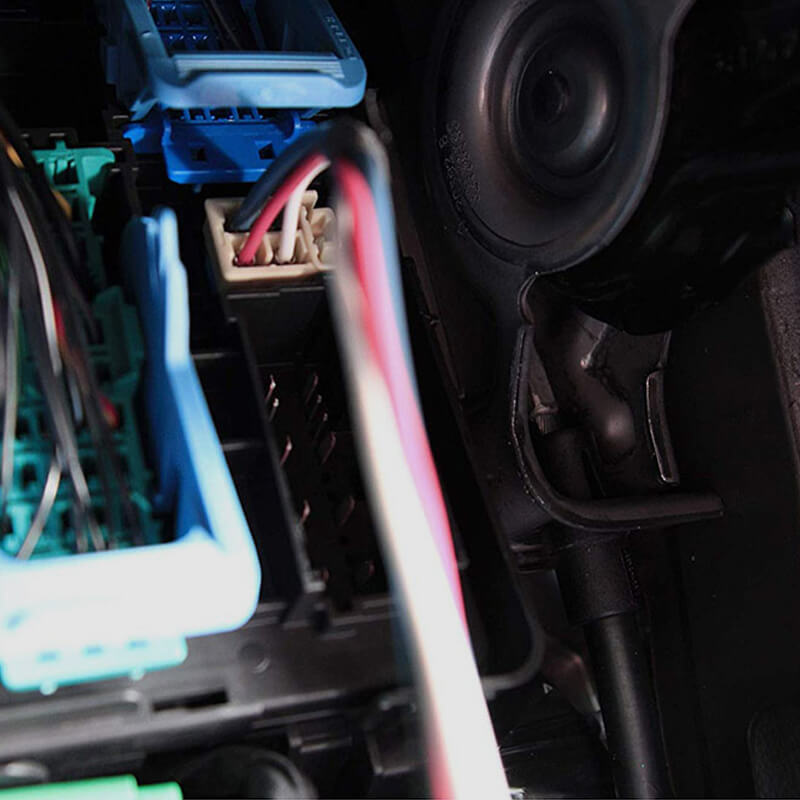


Electrical connector work often goes wrong before the actual repair starts. A tab gets bent, a terminal is pulled by the wire, or the wrong pick damages a connector cavity that was still reusable. A dedicated terminal-release tool is a small purchase, but it can be the difference between a clean repin and a damaged harness.
Lisle 14900 Terminal Tool for GM is a focused tool for buyers working around older GM connector service. Lisle's official product page identifies it as a tool for Pack-Con and Weather-Pack terminals on GM C3 systems, and also says it can retrieve trouble codes from GM vehicles with ALDL, or Assembly Line Diagnostic Link.
What Lisle 14900 is
Lisle lists this product as 14900 Terminal Tool for GM. The official Lisle page shows SKU 14900 and UPC 083045149002. Parts Universe lists it as Lisle 14900 Wire Terminal Tool and Trouble Code Tool with SKU LSL-14900.
- Parts Universe product: Lisle 14900 Wire Terminal Tool and Trouble Code Tool
- Parts Universe SKU: LSL-14900
- Manufacturer part number: 14900
- UPC: 083045149002
- Current Parts Universe price: $15.99
- Current Parts Universe status: active and available for sale
When this tool makes sense
Buy Lisle 14900 when the job is connector service, not wire cutting. Lisle says its wire terminal tools are designed to remove wires from terminals without damaging either, and specifically calls out Pack-Con and Weather-Pack terminals on GM C3 systems for part 14900.
- You need to release terminals from a compatible GM connector without pulling on the wire.
- You are replacing a shell, moving a circuit, or repairing a damaged terminal while trying to preserve the harness.
- You are working on a project where identifying the connector family matters before buying a larger terminal-tool kit.
- You want the ALDL trouble-code key function Lisle documents for some GM applications with Assembly Line Diagnostic Link.
Fitment: identify the connector first
This is not a universal promise for every connector on every vehicle. The documented scope is Pack-Con and Weather-Pack terminals on GM C3 systems, plus the ALDL trouble-code function referenced by Lisle. Before ordering, compare the connector style, service information, and terminal-retention design on the vehicle in front of you.
If the connector is a different terminal family, a smaller sealed connector, a modern sensor connector, or an aftermarket plug, a different release tool may be the better match. Forcing the wrong tool into a cavity can spread a terminal, break a lock tang, or create an intermittent electrical fault that is harder to diagnose later.
Why terminal tools beat picks and paper clips
A pick may work once, but it is easy to pry at the wrong angle. Terminal-release tools are shaped around the job: depress the locking tang, support the terminal path, and let the wire slide out once the retainer is released. That is especially valuable when the connector is old, heat-cycled, or no longer easy to replace.
For buyers, the question is not whether a small screwdriver can sometimes release a terminal. The better question is whether the connector, wire, and time are worth protecting. On an older GM harness, the answer is often yes.
Use it as part of a careful workflow
- Document the connector before disassembly with photos or a pinout note.
- Disconnect power as required by the service procedure before terminal work.
- Remove any secondary lock or connector position assurance piece before trying to release terminals.
- Use the terminal tool to release the retaining tang, then pull gently from the wire side only when the terminal is free.
- Inspect the terminal for spread, corrosion, looseness, or broken locking features before reinstalling it.
Safety and diagnostic notes
- Do not probe or repin airbag, restraint, high-voltage, or unknown safety circuits without the correct service information.
- Avoid shorting terminals when using any diagnostic key or jumper-style function.
- If a warning light, no-start, or drivability issue is active, record codes and baseline symptoms before disturbing connectors.
- Use eye protection when working around brittle plastic connector locks or corroded terminals.
- Replace terminals, seals, or connector bodies that are damaged instead of forcing them back together.
Related Parts Universe links
- Shop Lisle 14900 Wire Terminal Tool and Trouble Code Tool
- Browse connector products
- Browse connectors and terminals
- Browse tools and equipment
- Browse vehicle specialty tools
Lisle 14900 is a smart buy when the job calls for controlled terminal release on the GM connector families Lisle documents. Match the tool to the connector, protect the wiring, and stop before forcing anything that does not release cleanly.